
Unpacking the Process
Unpacking The Process
Unpacking The Process
- BCRUP programme is working to support climate risk assessments and hotspot mapping in over 60 vulnerable urban areas within each of the 20 participating African Countries, which will guide planning and investment decisions. The programme aims to advance climate-sensitive urban planning, promote nature-based solutions, and strengthen collaboration among regional, national and local governments, communities, and development partners. Initial efforts will support the integration of urban climate priorities into national climate and development frameworks include:
- Finalizing and submission of the concept note on the development of the BCRUP Regional Readiness project for the 20 African Pilot Countries
- The Green Resilient Model Cities Program launched in March 2025 focusing on helping 50 Brazilian cities become more resilient to climate change.
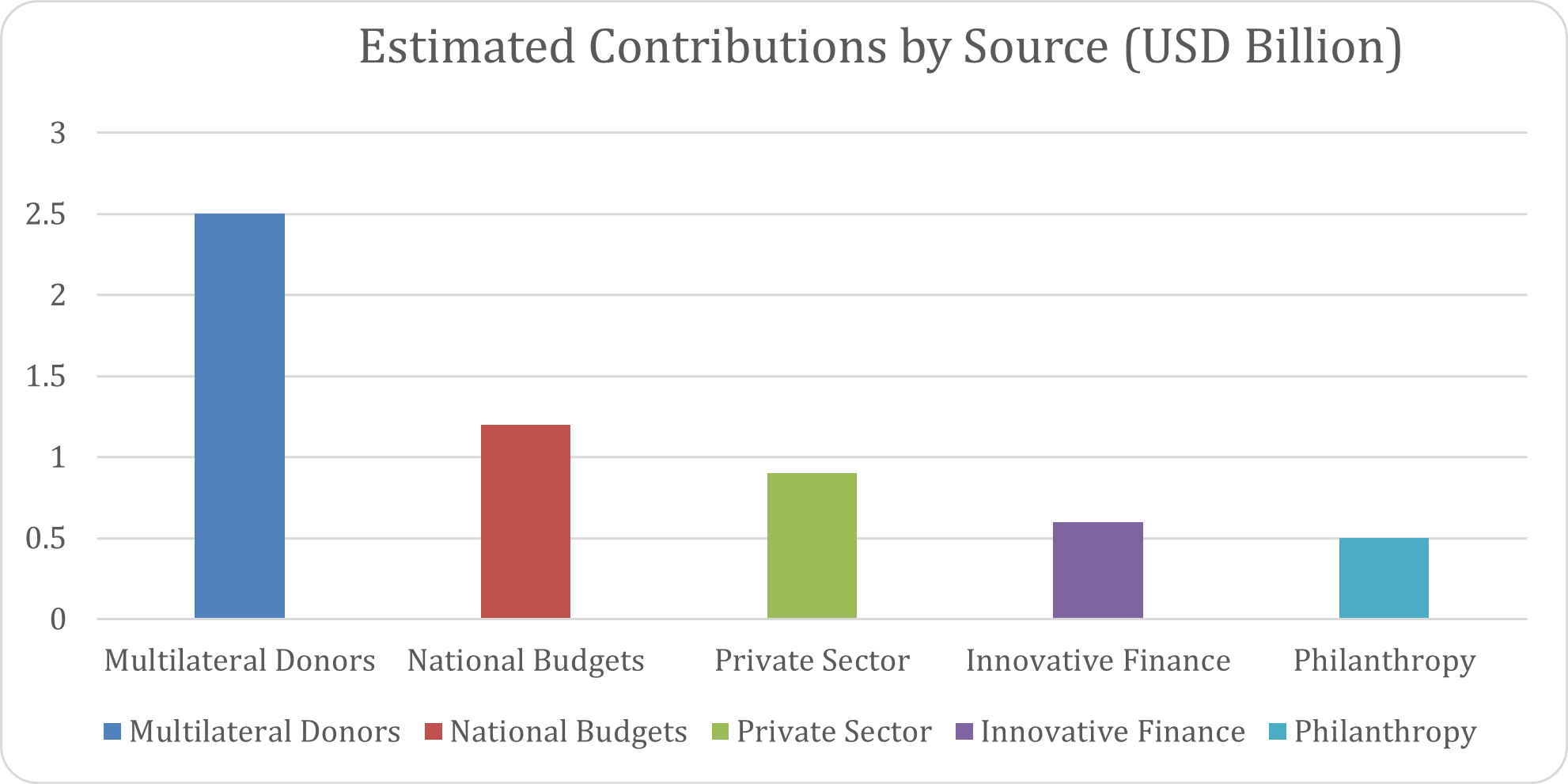
Funding Sources Breakdown
Scope of Piloting BCRUP by Urban Areas and Settlements
| Category | No. Urban Areas considered | Number Settlements selected per Urban Area | Total Number of Settlements targeted |
|---|---|---|---|
| Major Cities | 5 | 5 | 25 |
| Intermediary Cities/ Municipalities | 10 | 2 | 20 |
| Small Towns | 15 | 1 | 15 |
| Total | 30 | 60 |
| Classification | Population Threshold | Governance Structure | Key Characteristics |
|---|---|---|---|
| City | ≥ 500,000 | City Board + City Manager | Advanced infrastructure & services |
| Intermediary City/ Municipalities | ≥ 250,000 | Municipal Board + Municipal Manager | Moderate urban development |
| Town | ≥ 10,000 | Town Committee + Town Administrator | Emerging growth centers |
| Small Towns | < 10,000 | Managed by County Government | Informally recognized |
Site Selection Criteria
The selection criteria applied will be related to the categories namely;
- a. Policy and legal and institutional frameworks,
- b. Climate-related hazard exposure profile of Kenya,
- c. Counties according to specific hazard frequency and magnitude,
- d. Urban areas and poor neighbourhoods' selection based on poverty index, basic services and population,
- e. Risk and Vulnerability (Vulnerability Layers Matrix) profile of neighbourhoods,
- f. Vulnerability hotspot mapping using surrogate variables of exposure, sensitivity and adaptive capacity
- g. Demography and poverty index,
- h. Leadership of the city/neighbourhood/community , and
- i. Gender and Equity Dimensions.
The structured approach, encompassing infrastructure and basic services, economy, leadership, planning, and disaster risk management, provides a holistic framework for enhancing climate resilience in Kenya's urban settings.
Impact Highlights
Ongoing efforts focus on improving access to climate-resilient housing, basic services, green livelihood opportunities, and strengthening stakeholder engagement and public awareness on urban climate resilience.